


The Role of Nutrition in Lower Back Injury Recovery
- GLOW

- Dec 10, 2023
- 2 min read

Recovering from a lower back injury can be a challenging and arduous process. Alongside medical interventions and physical therapy, adopting a well-balanced and nutrient-rich diet can play a crucial role in supporting the healing process and promoting overall well-being.
In this article, we will explore the importance of nutrition in lower back injury recovery and provide valuable dietary guidelines to aid in the rehabilitation process.
1. Understanding the Impact of Nutrition on Recovery :

Proper nutrition plays a significant role in healing and recovery from injuries, including lower back injuries. Adequate nutrition provides the body with essential nutrients, vitamins, minerals, and antioxidants necessary for tissue repair, reducing inflammation, and strengthening the immune system.
When it comes to lower back injuries, maintaining a healthy weight is particularly important, as excess weight can put additional stress on the injured area.
2. Essential Nutrients for Recovery :
a) Protein:

Protein is necessary for the repair and regeneration of tissues. Include lean protein sources in your diet, such as low-fat dairy products, lean meats, seafood, and legumes.
b) Omega-3 Fatty Acids:

Due to their anti-inflammatory qualities, these beneficial fats can help reduce the discomfort brought on by lower back problems.
Include chia seeds, flaxseeds, walnuts, fatty fish (salmon, mackerel), and other healthy foods in your diet.
c) Vitamin C:

Collagen formation, which is essential for mending connective tissues, is aided by this vitamin.
Excellent sources of vitamin C include citrus fruits, berries, bell peppers, and leafy greens.
d) Calcium and Vitamin D:
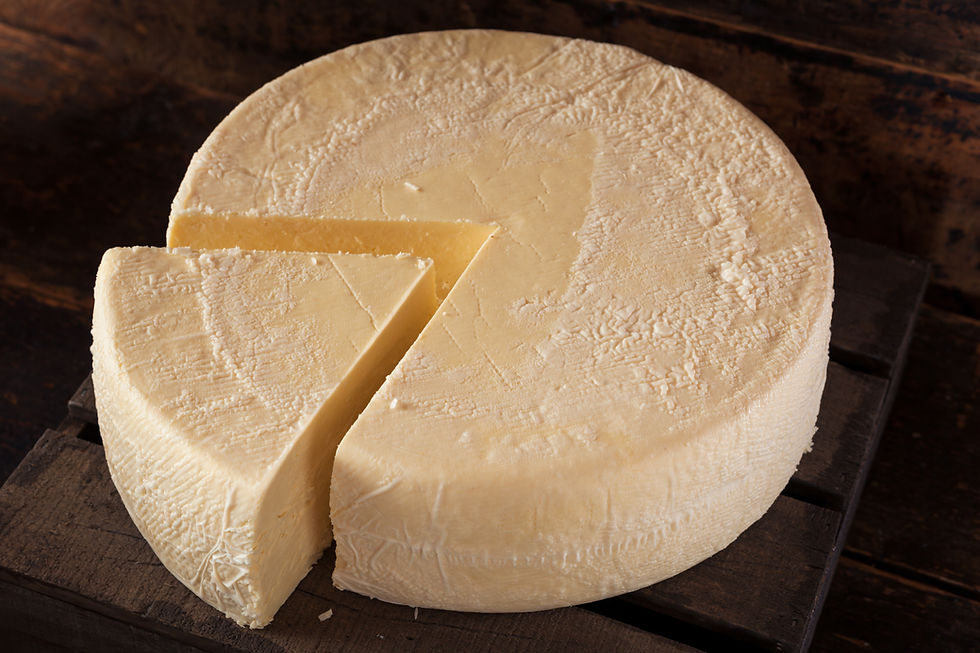
The strength and health of bones depend on these nutrients. Include dairy products, leafy greens, fortified cereals, and outdoor activities to get enough vitamin D production.
3. Anti-Inflammatory Foods :

Inflammation is a common response to injury and can exacerbate pain and prolong healing time. Incorporating anti-inflammatory foods into your diet can help reduce inflammation and promote healing.
Include fruits and vegetables like berries, cherries, leafy greens, and cruciferous vegetables such as broccoli and Brussels sprouts. Healthy fats like avocados, olive oil, and nuts are also beneficial.
4. Hydration and Overall Well-being :

Staying adequately hydrated is crucial for the healing process. Water helps maintain the elasticity of spinal discs, facilitates nutrient delivery to the injured area, and aids in toxin elimination.
Aim to drink at least eight glasses of water per day and limit or avoid sugary beverages.
5. Foods to Avoid :

Certain meals might slow healing and make pain and inflammation worse. Steer clear of fried and processed foods, sugary drinks and snacks, too much coffee, and alcohol.
These foods may promote weight gain, exacerbate inflammation, and impair the body's inherent capacity for healing.
Conclusion :
While nutrition alone cannot magically heal a lower back injury, adopting a diet rich in essential nutrients, anti-inflammatory foods, and proper hydration can significantly contribute to the recovery process. A well-balanced diet promotes tissue repair, reduces inflammation, and supports overall well-being.
Consult with a healthcare professional or a registered dietitian to personalize your diet plan based on your specific needs and ensure optimal recovery from your lower back injury. Remember, patience, consistency, and a wholesome diet are key elements in the journey toward recovery.


Comments