


Cocktail Flu: Understanding the Risks and Precautions
- GLOW

- Nov 14, 2023
- 3 min read
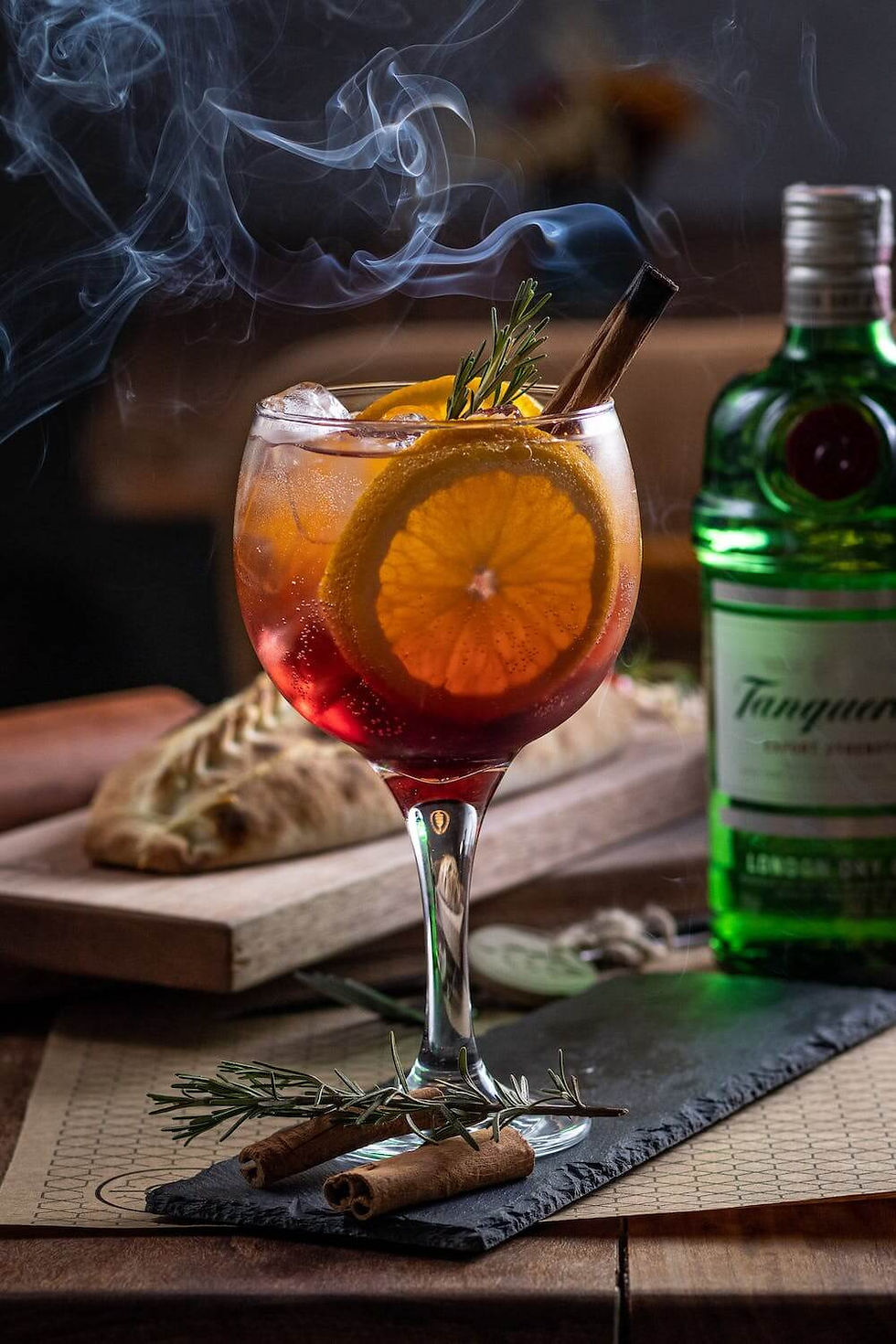
The term "cocktail flu" has gained attention in social circles and nightlife scenes in recent years.
It refers to the phenomenon where individuals experience a range of unpleasant symptoms after a night of excessive alcohol consumption, often accompanied by mixing different types of alcoholic beverages.
This article aims to shed light on the concept of cocktail flu, its potential causes, and the precautions one can take to avoid it.
Understanding Cocktail Flu

Cocktail fever, commonly referred to as a hangover, is a group of signs and symptoms brought on by binge drinking.
Headaches, nausea, dizziness, exhaustion, thirst, and sensitivity to light and sound are among the symptoms that can differ from person to person.
While mixing different types of alcohol is frequently linked to cocktail flu, it can also happen after ingesting a lot of one particular alcoholic drink.
Causes of Cocktail Flu

As a result of several variables, the precise causes of cocktail flu are not entirely understood.
First of all, alcohol dehydrates people because it is a diuretic, which means it causes more pee to be produced.
Headaches, dry mouth, and weariness are a few signs of dehydration.
The body's capacity to create glucose, a necessary source of energy, is impacted by alcohol, too.
Low blood sugar levels can consequently cause sensations of weakness and exhaustion, typical signs of cocktail flu.
Alcohol can also irritate the stomach lining, which can result in nausea and discomfort.
Additionally, poisonous metabolites that are created when alcohol is broken down in the liver may add to general unease and malaise.
The Role of Mixing Alcoholic Beverages

Mixing different types of alcoholic beverages is often associated with a higher likelihood of experiencing cocktail flu.
This is because different alcoholic drinks contain varying amounts of congeners, which are byproducts of the fermentation process.
Congeners contribute to the taste, color, and aroma of alcoholic beverages but are also known to worsen hangover symptoms.
Dark-colored drinks like red wine, whiskey, and brandy contain higher levels of congeners, while lighter options such as vodka, gin, and white wine have lower congener content.
Mixing drinks that differ in congener levels can increase the likelihood and severity of hangover symptoms.
Precautions to Avoid Cocktail Flu
While complete prevention of cocktail flu is challenging, certain precautions can help minimize its impact or even prevent it altogether:
1. Moderation:

The most effective way to prevent cocktail flu is to consume alcohol in moderation.
Set limits for yourself and pace your drinking to avoid excessive alcohol intake.
2. Hydration:

Drinking plenty of water before, during, and after consuming alcohol can help combat dehydration, a significant contributor to cocktail flu symptoms.
Alternate alcoholic beverages with non-alcoholic options like water or sports drinks.
3. Avoid Mixing:

If you are particularly prone to hangovers or experience increased symptoms when mixing drinks, consider sticking to a single type of alcoholic beverage throughout the evening.
4. Eating Before Drinking:

Before drinking, eat a meal that is high in protein, healthy fats, and carbohydrates to help the body absorb the alcohol more slowly and lessen its effects.
5. Supplements and Medications:

Some supplements and drugs, such as activated charcoal, prickly pear extract, and certain painkillers, may help ease hangover symptoms.
However, before utilizing any supplements or drugs, visit a healthcare expert.
6. Rest and Recovery:

Prioritize sufficient rest and sleep after a night of drinking to allow your body to recover and rejuvenate.
Adequate rest can help alleviate fatigue and other hangover symptoms.
Conclusion
Cocktail flu, or a hangover, is a common consequence of excessive alcohol consumption and mixing different types of alcoholic beverages.
Dehydration, low blood sugar, stomach irritation, and the presence of congeners contribute to the symptoms associated with cocktail flu.
While complete prevention is difficult, practicing moderation, staying hydrated, avoiding mixing drinks, and taking necessary precautions can help minimize the effects or even prevent cocktail flu.
Remember to prioritize your well-being and make responsible choices when it comes to alcohol consumption.


Comments